Semantic Search Workflow
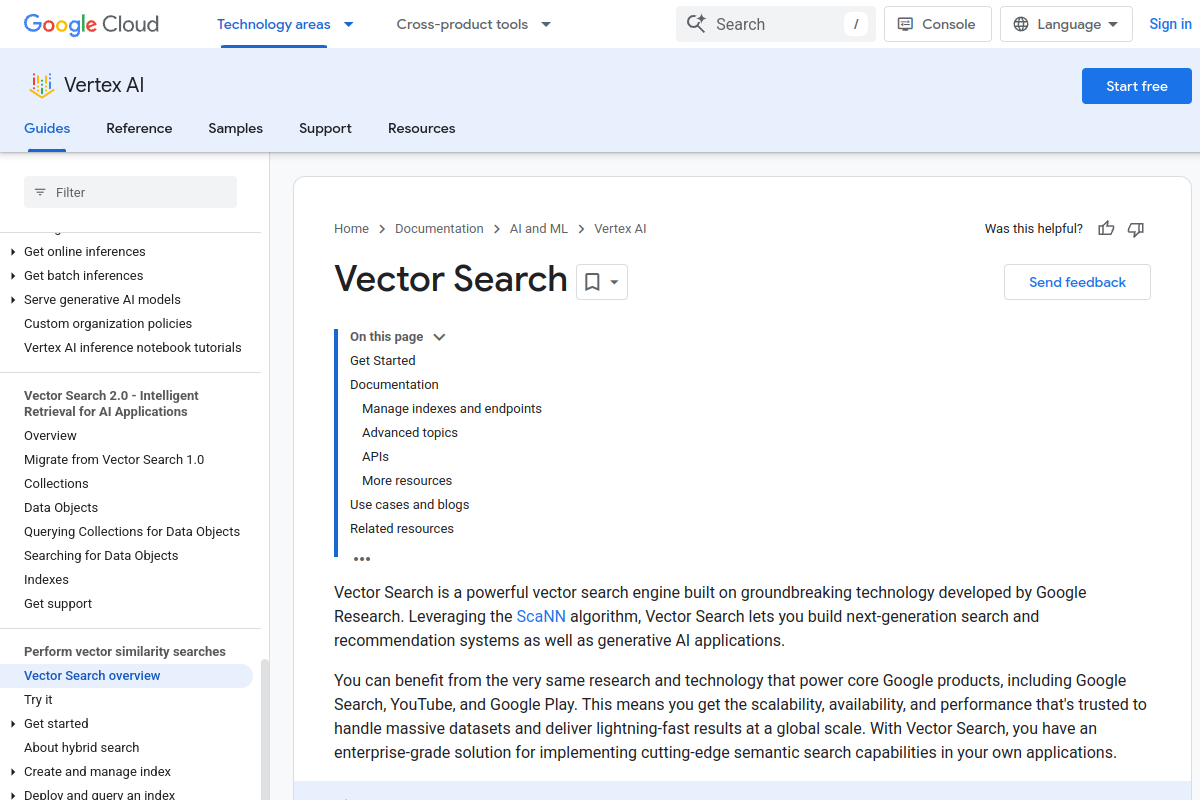
Semantic Search Workflow is a workflow used in AI and large language model systems. Using embedding models for vector search to find relevant content before generating a final answer. The core purpose of this pattern is to provide a repeatable structure that developers, researchers, students, and AI application designers can apply when building or improving interactions with language models. In practical use, it is especially relevant to building rag systems, knowledge base search, legal discovery. Rather than treating every AI request or workflow as an isolated implementation, this pattern provides a recognizable approach that can be adapted to different applications, models, domains, and levels of system complexity. It is categorized at an intermediate level and is most useful once the basic concepts of prompting, LLM applications, or agent workflows are understood. Implementation details can vary depending on the selected model, prompt structure, available tools, external data sources, orchestration framework, and application requirements. When applying the pattern, users should define the intended objective, inputs, expected outputs, constraints, validation method, and failure-handling behavior so that the resulting workflow remains understandable and testable. The associated dataset tags are workflow,search,embeddings, which can be used to group and discover this pattern alongside related techniques. The source included with this record should be consulted for the original reference or additional technical context, while real-world implementations should be evaluated with representative tasks before production deployment.
Tool Details
Preview
Related Tools
Sequential Tasking Workflow
Workflow
Sequential Tasking Workflow is a workflow used in AI and large language model systems. Breaking a complex goal into smaller, dependent steps executed one after the other by agents. The core purpose of this pattern is to provide a repeatable structure that developers, researchers, students, and AI application designers can apply when building or improving interactions with language models. In practical use, it is especially relevant to multi-step data processing, complex itinerary planning, software deployment. Rather than treating every AI request or workflow as an isolated implementation, this pattern provides a recognizable approach that can be adapted to different applications, models, domains, and levels of system complexity. It is categorized at an intermediate level and is most useful once the basic concepts of prompting, LLM applications, or agent workflows are understood. Implementation details can vary depending on the selected model, prompt structure, available tools, external data sources, orchestration framework, and application requirements. When applying the pattern, users should define the intended objective, inputs, expected outputs, constraints, validation method, and failure-handling behavior so that the resulting workflow remains understandable and testable. The associated dataset tags are workflow,automation,tasks, which can be used to group and discover this pattern alongside related techniques. The source included with this record should be consulted for the original reference or additional technical context, while real-world implementations should be evaluated with representative tasks before production deployment.
Human-in-the-Loop Workflow
Workflow
Human-in-the-Loop Workflow is a workflow used in AI and large language model systems. Incorporating mandatory human review or approval steps into the automated process. The core purpose of this pattern is to provide a repeatable structure that developers, researchers, students, and AI application designers can apply when building or improving interactions with language models. In practical use, it is especially relevant to high-stakes decision making, sensitive content filtering, final legal review. Rather than treating every AI request or workflow as an isolated implementation, this pattern provides a recognizable approach that can be adapted to different applications, models, domains, and levels of system complexity. It is categorized at an intermediate level and is most useful once the basic concepts of prompting, LLM applications, or agent workflows are understood. Implementation details can vary depending on the selected model, prompt structure, available tools, external data sources, orchestration framework, and application requirements. When applying the pattern, users should define the intended objective, inputs, expected outputs, constraints, validation method, and failure-handling behavior so that the resulting workflow remains understandable and testable. The associated dataset tags are workflow,review,safety, which can be used to group and discover this pattern alongside related techniques. The source included with this record should be consulted for the original reference or additional technical context, while real-world implementations should be evaluated with representative tasks before production deployment.

Recursive Summarization
Workflow
Recursive Summarization is a workflow used in AI and large language model systems. Summarizing a long document iteratively by chunking and summarizing the summaries. The core purpose of this pattern is to provide a repeatable structure that developers, researchers, students, and AI application designers can apply when building or improving interactions with language models. In practical use, it is especially relevant to handling very long documents, generating multi-level abstracts. Rather than treating every AI request or workflow as an isolated implementation, this pattern provides a recognizable approach that can be adapted to different applications, models, domains, and levels of system complexity. It is categorized at an intermediate level and is most useful once the basic concepts of prompting, LLM applications, or agent workflows are understood. Implementation details can vary depending on the selected model, prompt structure, available tools, external data sources, orchestration framework, and application requirements. When applying the pattern, users should define the intended objective, inputs, expected outputs, constraints, validation method, and failure-handling behavior so that the resulting workflow remains understandable and testable. The associated dataset tags are workflow,nlp,documents, which can be used to group and discover this pattern alongside related techniques. The source included with this record should be consulted for the original reference or additional technical context, while real-world implementations should be evaluated with representative tasks before production deployment.